
A familiar-looking name can hide a surprisingly complicated story. In 2026, people searching for WatchFlix may encounter streaming apps, movie-discovery tools and similarly named websites that are not necessarily operated by the same company. That distinction matters at a time when viewers are juggling more subscriptions, demanding better recommendations and paying closer attention to privacy. Current Google Play listings show at least two differently developed apps using the name, while the broader streaming market is moving rapidly toward advertising, social viewing and AI-powered discovery. Here is what users should know before installing, subscribing or streaming.
What Is WatchFlix in 2026?
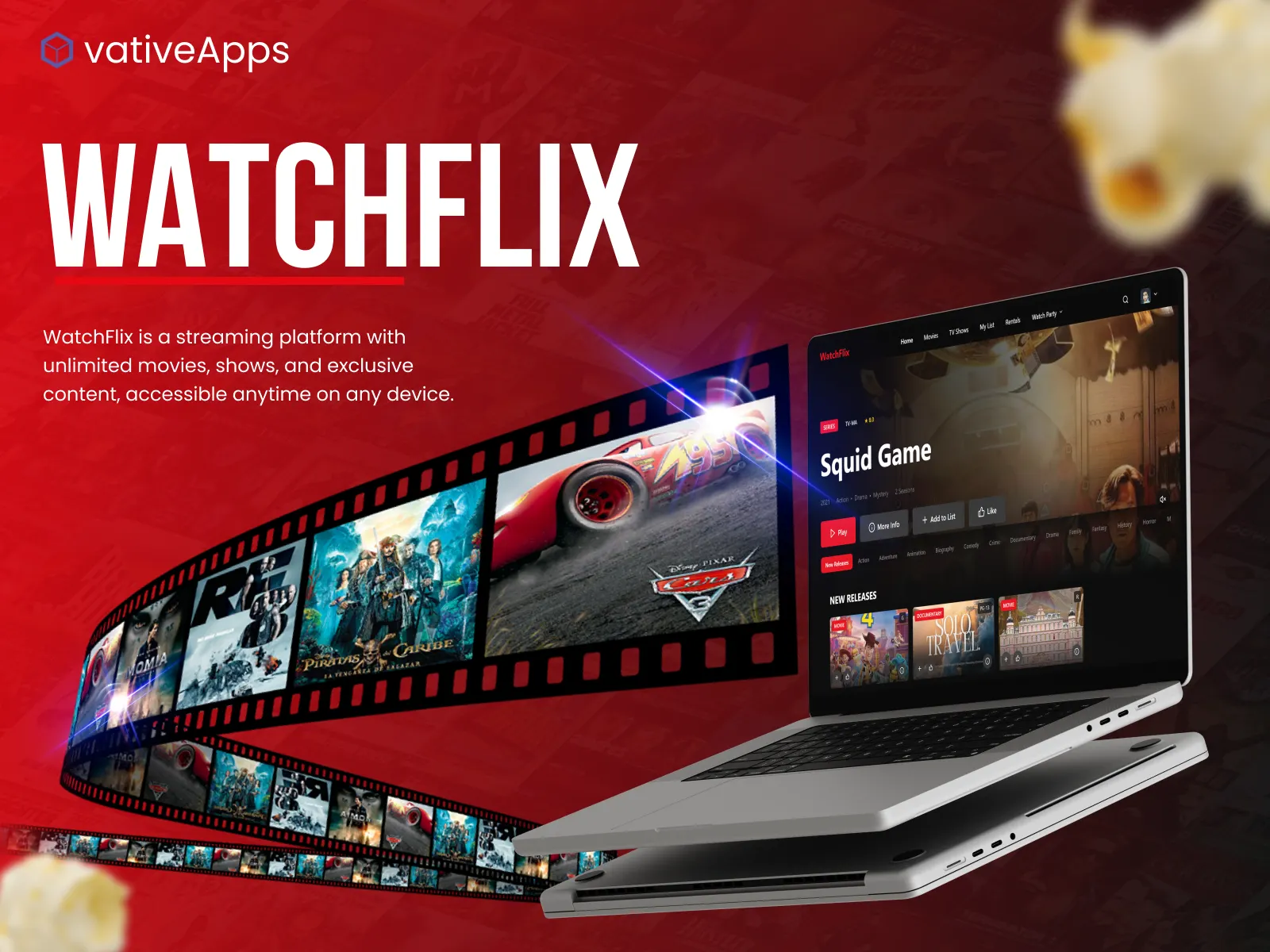
The first thing users need to understand is that the name does not currently point to one unmistakable global streaming brand. One Google Play listing identifies an app developed by Vativeapps LLC as a social-streaming OTT platform. Its listing promotes movies, series, documentaries, synchronized watch parties, multiple profiles, offline downloads, AI recommendations, subscriptions and pay-per-view rentals. Google Play currently displays more than 10,000 downloads for that version, which was last updated on January 15, 2026.
A second Google Play product is called “WatchFlix: Movies & TV” and comes from App Foundry Space. Rather than presenting itself primarily as a subscription streaming service, this version describes itself as a movie-discovery application for browsing trending films, television shows, genres, ratings, cast information and favourites. Google Play lists more than 1,000 downloads and shows a July 8, 2026 update. These differences make checking the developer name and app description essential before assuming two similarly named services are identical.
Why the Name Is Attracting Attention
The interest arrives at a time when streaming has become one of the dominant ways audiences consume television. Nielsen reported that streaming represented 48.5% of total U.S. TV watch-time in June 2026. Although that was slightly below May’s 48.6% share, streaming usage itself increased by about 3% month over month. YouTube alone accounted for 13.8% of total television viewing during the June measurement period.
That scale creates opportunities for smaller entertainment platforms, discovery apps and niche OTT services. Consumers no longer rely exclusively on a few traditional networks or major streaming brands to decide what to watch. They increasingly move between subscription streaming, free ad-supported services, social video, recommendation tools and digital rental platforms. A service entering this environment must therefore compete not only on the size of its content library but also on convenience, personalization, price, reliability and trust.
Social Viewing Is Becoming a Bigger Streaming Feature
One of the more notable features promoted by the Vativeapps version is Party Watch. According to its Google Play description, the feature is designed to synchronize viewing between friends or family while allowing real-time chat and reactions. The app also advertises multiple viewer profiles, personalised watch histories and the ability to move between devices while retaining playback progress.
This approach reflects a broader shift in digital entertainment. Streaming services increasingly want to become environments where audiences interact rather than simply press play. Deloitte’s 2026 Digital Media Trends research found that roughly 80% of surveyed consumers identified as fans of at least one entertainment category. Fans also spent more time and money on entertainment than non-fans, encouraging media companies to explore community features, social content and other ways of keeping audiences engaged between major releases.
For smaller streaming brands, social viewing may offer a way to differentiate themselves from platforms competing primarily through exclusive programming. However, execution matters. A watch-party feature is only valuable when playback stays synchronized, streaming quality remains stable and enough desirable content is available for groups to watch together.
AI Recommendations Are Becoming Part of the Battle for Attention
Content discovery has become one of streaming’s biggest problems. A large catalogue sounds attractive until viewers spend ten minutes scrolling through titles without choosing anything. The Vativeapps listing says its platform uses an AI recommendation engine based on viewing patterns, while the App Foundry version focuses more broadly on helping users browse trending titles, ratings, genres and cast information.
The timing is significant. Deloitte reported in March 2026 that 22% of entertainment fans surveyed said better AI recommendations would increase their streaming use. Nearly 30% expressed interest in AI-generated personalized digests and highlight reels. The findings suggest that artificial intelligence may increasingly influence not only content production but also the everyday question that frustrates viewers most: “What should I watch next?”
Future recommendation systems are likely to move beyond simple genre matching. They may combine viewing history, mood, available viewing time, preferred actors, watch-party behavior and even whether someone wants a film or a short episodic experience. Platforms that make those systems useful without becoming intrusive could gain an advantage.
Streaming Prices Are Creating Opportunities for New Platforms
The streaming industry may be expanding, but viewers are becoming increasingly price-sensitive. Deloitte’s 2026 survey found that the average subscribing U.S. household reported spending $69 per month across streaming-video subscriptions. It also found that 61% of consumers said they would be likely to cancel even their favourite streaming service if its monthly price rose by $5.
That pressure explains why flexible pricing matters. The Vativeapps listing describes Basic, Standard and Premium subscription tiers alongside individual pay-per-view rentals. If effectively implemented, that combination could appeal to consumers who do not want another permanent monthly bill. However, pricing alone does not create value. Users need to compare the actual catalogue, video quality, supported devices, regional availability, cancellation terms and frequency of new releases before subscribing.
The strongest emerging platforms will probably offer several ways to watch rather than depending entirely on one subscription model. Rentals, ad-supported access and limited premium tiers could become increasingly common as consumers become more selective.
Advertising Is Now Central to the Streaming Economy
For years, one of streaming’s biggest selling points was escaping conventional television advertising. That distinction has weakened dramatically. Deloitte found that 68% of surveyed SVOD subscribers in 2026 had at least one ad-supported tier, compared with 46% in 2024. The shift suggests that many viewers are willing to tolerate advertising when it reduces the cost of entertainment.
Nielsen’s Q2 2026 Ad Supported Gauge tells a similar story. Ad-supported viewing represented 71.5% of total U.S. television use during the quarter, while streaming captured 48.2% of ad-supported TV viewing. That gave streaming a larger portion of the advertising-supported television market than either broadcast or cable.
These numbers matter for any developing OTT platform. Subscription fees are no longer the only route to profitability. Advertising can subsidize cheaper access, but excessive interruptions can quickly damage the viewing experience. The likely winners will be services that find a workable balance between price, advertising load and content quality.
Users Should Look Closely at Privacy and Data Practices
Entertainment apps can collect more information than viewers may expect. According to the Google Play disclosure for the Vativeapps version, the developer states that the app may collect personal information, financial information and four other categories of data. The listing says data is encrypted in transit and that users can request deletion. It also states, based on developer-provided disclosures, that data is not shared with third parties.
The separately developed App Foundry Space version has different disclosures. Its Google Play page says it may collect app activity and device or other identifiers and may share those categories with third parties. The page also states that data is not encrypted and cannot be deleted, again reflecting information supplied through Google Play’s developer disclosure system.
These differences highlight why downloading an app based only on its name or icon is risky. Before installing, users should check the exact developer, privacy policy, permissions, subscription conditions and data-safety section. An app appearing in an official store does not eliminate the need for personal due diligence.
Is WatchFlix a Streaming Service or a Movie Discovery Tool?
The answer depends on which product a person is discussing. The Vativeapps product presents itself as a full OTT streaming platform offering subscriptions, rentals, offline downloads, multiple profiles and synchronized viewing. By contrast, the App Foundry Space product says it helps users discover movies and television programmes by browsing titles, ratings, release information and cast details.
This distinction is important for searchers expecting immediate video playback. Movie-discovery apps commonly act as catalogues, recommendation engines or watchlist tools rather than providing licensed playback themselves. Users should therefore read the app description carefully instead of assuming that any application showing movie posters and television titles owns streaming rights to that content.
Similarly named websites also appear in web searches, some of which state that they rely on external third-party media providers rather than hosting video files themselves. Users should verify licensing, security and legal availability in their jurisdiction before using an unfamiliar streaming website.
What the Latest User Experience Signals Tell Us

The Vativeapps product has crossed the 10,000-download threshold on Google Play, giving it a larger visible installation base than the similarly named App Foundry discovery app. Its stated features are ambitious: adaptive streaming, offline viewing, Party Watch, AI recommendations, parental controls, multi-language support, remote logout and cross-device synchronization.
However, feature lists should be treated as product claims rather than independent proof of performance. Streaming quality can vary by device, internet connection, country and catalogue availability. Users considering any relatively small entertainment service should test core functions before committing to a long subscription. Check whether desired movies are actually available, confirm subtitle support, test playback stability and understand refund or cancellation policies.
This is particularly important in a market where established services already compete heavily on reliability. Newer platforms cannot succeed through interface design alone; they need consistent content availability and customer support.
The Bigger Challenge Is Content Fragmentation
Streaming has given consumers extraordinary choice, but it has also fragmented entertainment across dozens of services. Deloitte’s 2026 research found that 90% of surveyed U.S. households had a paid subscription video-on-demand service, with subscribing households averaging four services. Meanwhile, 41% of consumers reported cancelling an SVOD service within the previous six months.
That churn explains why movie discovery is becoming as important as content delivery. People increasingly want one place to understand what is trending, save favourites and determine where something is available. An entertainment platform that reduces search friction could remain useful even if users do not subscribe continuously.
At the same time, services need compelling programming. Nielsen reported that the five most-watched streaming titles during the first half of 2026 generated a combined 108 billion viewing minutes. Major hits still concentrate enormous attention, making access to desirable programming one of the strongest competitive advantages in streaming.
What Could Come Next
The next stage of streaming is likely to combine entertainment, recommendation technology and community features more closely. AI-powered discovery may become increasingly conversational, allowing viewers to search with requests such as “find a 90-minute thriller without violence” rather than selecting fixed genres. Watch parties could become richer social spaces, while cross-device profiles may increasingly synchronize preferences, favourites and viewing histories across phones, TVs and tablets.
At the business level, hybrid monetization is likely to expand. Premium subscriptions will remain important, but ad-supported plans, rentals, bundled memberships and limited free catalogues can help services appeal to cost-conscious viewers. Deloitte’s findings on subscription frustration and Nielsen’s rapid growth in ad-supported streaming both point toward a market where flexibility may matter more than simply adding another monthly plan.
For brands using the WatchFlix name, however, identity may become just as important as technology. Multiple apps and websites sharing similar branding can create confusion. Clear developer information, transparent licensing, recognizable official domains and consistent privacy practices would make it easier for users to distinguish one service from another.
Conclusion
WatchFlix enters the 2026 streaming conversation at an interesting moment. Audiences want more choice but less complexity. They expect affordable access, reliable playback, intelligent recommendations and smooth experiences across devices. At the same time, they are becoming more cautious about recurring subscription costs and how entertainment apps handle their data.
For users, the practical rule is straightforward: verify before you watch. Check the developer name, determine whether the product actually streams content or only helps discover it, review its privacy disclosures and confirm what a subscription or rental includes. As streaming becomes more fragmented and AI-driven, informed viewing choices will matter just as much as finding the next great movie. Continue exploring current streaming trends and platform updates before deciding which entertainment services deserve a place on your devices.
Frequently Asked Questions
What is WatchFlix?
The name currently appears on multiple entertainment products, including a streaming platform and a separate movie-discovery app.
Is WatchFlix free?
It depends on the product. One listing advertises subscriptions and rentals, while another is a discovery app containing ads.
Does WatchFlix have movies and TV shows?
The Vativeapps version advertises movies, series and documentaries, while the App Foundry version focuses on browsing and discovering titles.
Does WatchFlix have a watch-party feature?
The Vativeapps Google Play listing advertises synchronized Party Watch sessions with chat and reactions.
Is WatchFlix safe to use?
Check the exact developer, permissions, privacy disclosures and official source before installing or subscribing.
Does WatchFlix use AI?
The Vativeapps listing says it uses AI-powered recommendations based on viewing patterns.
You May Also Read: ACEs Questionnaire