


What is rigor mortis? Rigor mortis is a natural postmortem process in which the muscles of the body gradually become stiff after death. It develops because muscle cells can no longer produce enough adenosine triphosphate, or ATP, which is essential for normal muscle relaxation. As ATP levels fall, muscle proteins remain attached, causing temporary rigidity in different muscle groups throughout the body.
Understanding what is rigor mortis is important in biology, medicine, and forensic science because it explains one of the recognizable physical changes that occurs after death. Rigor mortis does not begin instantly, remain permanent, or follow an identical timeline in every person. Instead, it develops gradually, reaches a period of greater stiffness, and eventually disappears as decomposition breaks down muscle tissues and proteins.
What Is Rigor Mortis?
Rigor mortis refers specifically to postmortem muscular rigidity. Immediately after death, muscles generally enter a period of relaxation before stiffness develops. As cellular metabolism stops and available energy becomes depleted, the normal biochemical processes that allow muscle fibers to relax can no longer continue. The muscles then become increasingly resistant to movement, producing the characteristic stiffness associated with this postmortem change.
The term rigor mortis comes from Latin and is commonly translated as “stiffness of death.” Although the body may appear motionless immediately after death, rigor mortis is a separate biological process that develops afterward. It primarily affects skeletal muscles and can make joints increasingly difficult to move. The progression reflects chemical changes occurring inside muscle cells rather than a conscious or neurological response.
What Causes Rigor Mortis?
The main cause of rigor mortis is the loss of cellular energy after death. While a person is alive, oxygen delivered through the bloodstream helps cells produce ATP. Muscles depend on ATP not only for contraction but also for relaxation. When circulation stops, oxygen delivery ends, ATP production declines, and muscle cells gradually lose the energy required to separate proteins involved in contraction.
Calcium also contributes to the development of rigor mortis. After death, normal cellular mechanisms that regulate calcium no longer function properly. Calcium becomes available within muscle fibers and promotes interaction between the proteins actin and myosin. Without sufficient ATP to separate these proteins afterward, they remain attached. This locked interaction causes the muscle fibers to stay contracted and creates the stiffness recognized as rigor mortis.
The Role of ATP in Rigor Mortis
ATP is central to understanding what is rigor mortis because muscle relaxation depends heavily on this energy molecule. During normal life, actin and myosin repeatedly attach and separate as muscles contract and relax. ATP binds to myosin and helps release it from actin, allowing the contraction cycle to continue. Without ATP, the proteins can become fixed together instead of separating efficiently.
After death, the body can no longer maintain normal ATP production. Small remaining stores are gradually exhausted, and muscle fibers lose their ability to return to a relaxed state. This does not mean the muscles are actively receiving instructions to contract. Instead, stiffness results from biochemical failure within the cells. Later, decomposition breaks down the proteins themselves, allowing rigor mortis to disappear naturally.
Stages of Rigor Mortis
Rigor mortis develops through a sequence rather than appearing throughout the entire body at once. The first phase after death is generally characterized by muscle relaxation, sometimes described as primary flaccidity. During this period, joints remain relatively flexible because some cellular energy may still be available and the molecular interactions responsible for sustained stiffness have not yet become widespread throughout the muscles.
As ATP becomes increasingly depleted, stiffness begins developing and progresses through multiple muscle groups. Smaller muscles, including those around the face and jaw, may show noticeable changes before larger muscles of the arms and legs. Eventually, rigidity becomes more widespread. Later, as decomposition advances and muscle proteins begin to break down, the stiffness gradually decreases and the body returns to a more flexible condition.
Rigor Mortis Timeline
The timeline of rigor mortis is often described using approximate ranges because there is no single schedule that applies to every body or environment. Under many conditions, stiffness may begin developing within a few hours after death and become more pronounced during the following hours. Widespread rigidity may occur later, but the exact timing depends on temperature, muscle condition, surroundings, and other biological factors.
Rigor mortis eventually begins to disappear as decomposition breaks down actin, myosin, and other structural components of muscle tissue. This decline may occur over the following day or several days depending on circumstances. Forensic specialists therefore avoid treating rigor mortis as a perfectly accurate clock. Instead, the stage of rigidity is interpreted together with other observations when estimating the postmortem interval.
Factors That Affect Rigor Mortis
Temperature is one of the most important environmental factors affecting what is rigor mortis and how quickly it develops. Warmer surroundings can accelerate many chemical and decomposition processes, while cooler temperatures often slow them. A body exposed to refrigeration may therefore progress differently from one kept in a warm room. Environmental conditions must always be considered before interpreting postmortem stiffness.
Physical activity before death may also influence the rate at which stiffness appears because intense muscular activity can reduce available energy stores. Body size, muscle mass, age, clothing, health, and surrounding conditions may further influence progression. Water exposure, direct sunlight, cold weather, heating, and other environmental circumstances can alter postmortem changes, making rigid universal timelines unreliable in real forensic investigations.
Rigor Mortis in Humans
In humans, rigor mortis develops because the same muscle chemistry that produces ordinary contraction and relaxation during life changes after death. Once ATP becomes unavailable, muscle fibers gradually lose their ability to relax. This process may become noticeable first in smaller muscle groups and later involve the neck, upper limbs, trunk, and lower limbs as stiffness becomes more widespread throughout the body.
When discussing what is rigor mortis in humans, it is important not to confuse it with muscle stiffness experienced by living people. Conditions such as cramps, neurological disorders, or muscular injuries can produce stiffness during life, but they have different causes. Rigor mortis specifically describes postmortem rigidity resulting from cellular energy depletion and persistent interactions between muscle proteins after circulation and metabolism have stopped.
Why Rigor Mortis Matters in Forensic Science
Rigor mortis is important in forensic science because its presence and degree can provide information about postmortem changes. Investigators may examine whether muscles are relaxed, partially stiff, widely rigid, or beginning to lose rigidity. These observations can contribute to a broader assessment of how much time may have passed since death, although they cannot provide an exact time on their own.
Forensic professionals combine rigor mortis with other evidence, including body temperature, lividity, decomposition, environmental conditions, medical findings, and information from the scene. This combined approach is necessary because stiffness varies widely between circumstances. Rigor mortis is therefore best viewed as one forensic clue among many rather than a precise stopwatch capable of identifying the exact minute or hour when death occurred.
Can Rigor Mortis Show Whether a Body Was Moved?
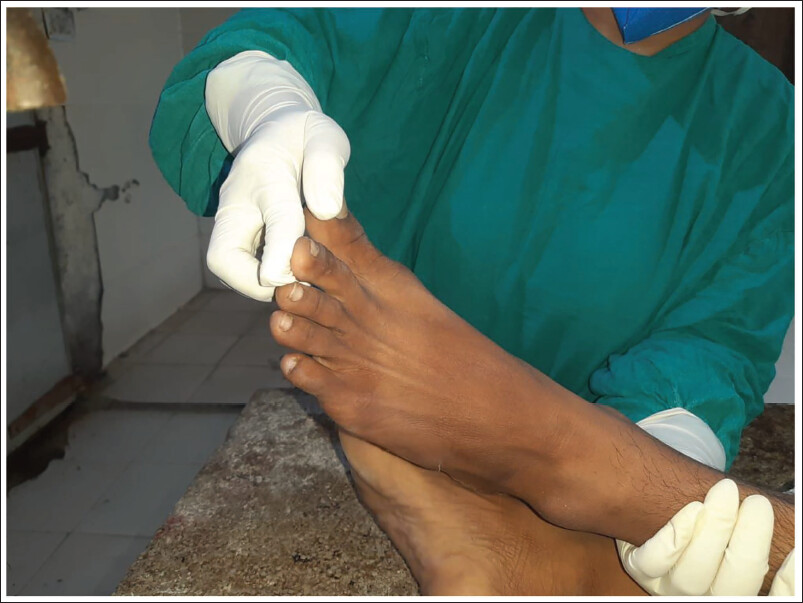
In some investigations, the pattern of rigor mortis may contribute to questions about body position. Once substantial stiffness develops, the position of joints and muscles can sometimes provide information that investigators compare with the position in which the body was discovered. If observations appear inconsistent with other scene evidence, movement after death may be considered as one possible explanation requiring further investigation.
However, rigor mortis alone cannot prove that a body was moved. Investigators must consider the degree of stiffness, environmental conditions, decomposition, livor mortis, injuries, physical surroundings, and other evidence before drawing conclusions. Forensic interpretation requires context because body position can be affected by several factors. Rigor mortis provides supporting information rather than absolute proof about events occurring after death.
Rigor Mortis vs Livor Mortis
Rigor mortis and livor mortis are both postmortem changes, but they involve very different processes. Rigor mortis refers to muscular stiffening caused mainly by ATP depletion and muscle protein interactions. Livor mortis, also known as postmortem lividity, develops because blood is no longer being circulated by the heart and begins settling under the influence of gravity.
The resulting discoloration from livor mortis usually develops in lower or dependent areas of the body. Forensic professionals may examine both rigidity and lividity when assessing postmortem conditions. Understanding the difference helps clarify what is rigor mortis because muscle stiffness involves biochemical changes within muscle cells, while livor mortis is primarily associated with postmortem blood settling after circulation has stopped.
Rigor Mortis vs Algor Mortis
Algor mortis refers to the cooling of the body after death, while rigor mortis refers to muscle stiffness. When metabolism stops, the body gradually loses heat to its surroundings until its temperature approaches environmental conditions. The rate of cooling can depend on clothing, body size, room temperature, air movement, moisture, and contact with surrounding surfaces or water.
Rigor mortis and algor mortis can both contribute information during forensic assessment, but neither should be interpreted in isolation. Environmental conditions can alter both processes considerably. A cold environment may slow several postmortem changes, while warmer conditions may accelerate them. Investigators therefore evaluate muscle stiffness, body temperature, lividity, decomposition, and scene circumstances together when estimating the postmortem interval.
Common Misconceptions About Rigor Mortis
One common misconception about what is rigor mortis is that the body becomes completely stiff the moment death occurs. In reality, muscles normally remain relatively relaxed for a period before postmortem stiffness develops. The transition depends on ATP depletion and biochemical changes inside muscle tissue, so rigidity typically appears progressively rather than instantaneously throughout the entire body.
Another misconception is that rigor mortis lasts forever. The stiffness is temporary because decomposition eventually breaks down the proteins and tissues responsible for rigidity. It is also incorrect to assume that everyone develops rigor mortis on exactly the same schedule. Temperature, muscle activity, environmental exposure, body condition, and decomposition can all influence its onset, intensity, duration, and eventual disappearance.
How Rigor Mortis Ends
Rigor mortis ends as decomposition begins breaking down muscle proteins and cellular structures. During full rigidity, actin and myosin remain strongly associated because sufficient ATP is unavailable to separate them. As autolysis and decomposition progress, enzymes and microbial processes damage these proteins and surrounding tissues. The rigid molecular connections are eventually disrupted, causing the muscles and joints to become less stiff.
The disappearance of rigor mortis should not be confused with a return of normal muscle relaxation. ATP production does not restart, and muscle cells do not recover. Instead, the tissue itself is progressively breaking down. This distinction is important because it explains why rigor mortis follows a temporary pattern: relaxation after rigidity results from decomposition rather than restoration of normal biological function.
Why Understanding Rigor Mortis Is Important
Learning what is rigor mortis provides a useful introduction to muscle physiology and postmortem biology. The process demonstrates how heavily living muscles depend on ATP, calcium regulation, and coordinated protein interactions. Once normal cellular metabolism ends, these mechanisms change dramatically. Rigor mortis therefore illustrates the relationship between energy production and the mechanical behavior of muscle fibers in a clear biological example.
The concept also has practical importance in forensic science and medical education. Investigators can use postmortem rigidity alongside other observations to understand changes occurring after death. Students can also connect rigor mortis with cellular respiration, muscle contraction, ATP metabolism, decomposition, and forensic pathology. This makes the topic valuable for understanding both fundamental human biology and the scientific investigation of postmortem changes.
Conclusion
What is rigor mortis? It is the temporary stiffening of muscles after death caused primarily by the depletion of ATP and the persistent interaction of actin and myosin. Changes in calcium regulation also contribute to contraction within muscle fibers. The process develops gradually, progresses through different levels of stiffness, and eventually disappears when decomposition begins breaking down muscle proteins and tissues.
Rigor mortis has significant forensic importance, but it cannot determine an exact time of death by itself. Temperature, physical condition, environmental exposure, muscle activity, and decomposition can influence its timeline. When examined together with livor mortis, algor mortis, body condition, and scene evidence, rigor mortis becomes a useful component of broader postmortem assessment and forensic investigation.
FAQs
What is rigor mortis?
Rigor mortis is the temporary stiffening of muscles that develops after death.
What causes rigor mortis?
It is mainly caused by ATP depletion, calcium changes, and persistent binding between actin and myosin.
When does rigor mortis begin?
It commonly begins within several hours after death, although the timing can vary considerably.
How long does rigor mortis last?
It usually fades as decomposition progresses, with timing depending heavily on environmental and biological conditions.
Is rigor mortis permanent?
No. Muscle stiffness disappears as postmortem decomposition breaks down muscle proteins and tissues.
Why is rigor mortis important in forensic science?
It can help investigators assess the general postmortem interval when combined with other evidence.
What is the difference between rigor mortis and livor mortis?
Rigor mortis involves muscle stiffness, while livor mortis involves the gravitational settling of blood after death.
What is the difference between rigor mortis and algor mortis?
Rigor mortis describes muscle stiffening, while algor mortis refers to the cooling of the body after death.
You May Also Read: Incomplete Dominance vs Codominance