

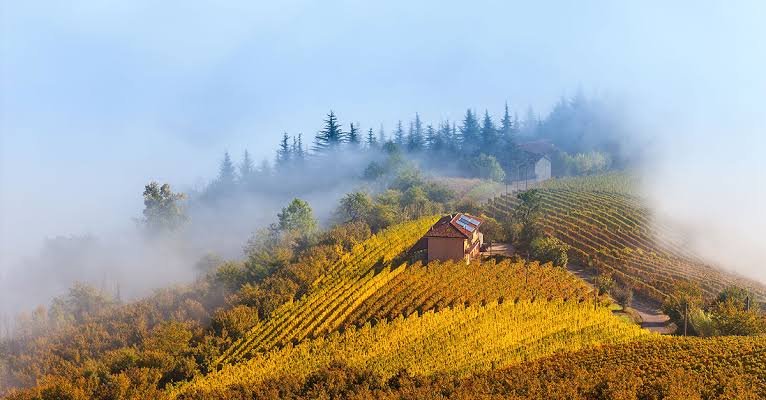
What is a microclimate? A microclimate is a small area where temperature, humidity, wind, sunlight, or moisture differs from the surrounding environment. These localized climate conditions can develop naturally or because of human activities. A shaded garden, a busy downtown street, a forest floor, or a valley can all experience conditions that are noticeably different from nearby places within the same broader climate region.
Understanding what is a microclimate helps explain why two locations only a short distance apart can feel completely different. One area may be warm, dry, and sunny, while another nearby location remains cool, damp, and protected from wind. Microclimates influence plant growth, wildlife, agriculture, architecture, urban planning, and daily comfort, making them an important part of geography and environmental science.
What Is a Microclimate?
A microclimate describes the climatic conditions of a limited area that differ from those of the surrounding region. The differences may involve temperature, rainfall, humidity, wind speed, sunlight, or soil moisture. Microclimates can be extremely small, such as the shaded space beneath a tree, or they can extend across larger areas such as valleys, neighborhoods, parks, coastlines, and sections of a city.
When learning what is a microclimate, it is useful to think of it as a climate within a larger climate. A city may have one general regional climate, yet individual streets, parks, rooftops, and waterfront areas can experience different conditions. These variations usually result from local features that affect how heat, moisture, sunlight, and moving air interact with the land and built environment.
What Causes a Microclimate?
Microclimates form when features of the landscape change the way sunlight, heat, moisture, and wind behave in a particular location. Hills, valleys, buildings, trees, bodies of water, soil conditions, and paved surfaces can all modify local atmospheric conditions. Even relatively small changes in elevation, shade, or surface material can create noticeable differences in temperature and humidity compared with the surrounding environment.
Human development can also create strong local climate variations. Concrete, asphalt, buildings, parking lots, and roads absorb heat during the day and slowly release it afterward. Meanwhile, vegetation and water can provide cooling effects through shade and evaporation. Because different surfaces respond differently to solar energy, developed neighborhoods may contain several warmer and cooler microclimates within only a few blocks.
How Topography Influences Microclimates
Topography is one of the most important natural factors affecting microclimates. Hills, mountains, slopes, and valleys change sunlight exposure, wind movement, and temperature. A slope receiving direct sunlight for much of the day may become considerably warmer and drier than a shaded slope nearby. Elevation also matters because temperatures generally become cooler as altitude increases, creating different growing and living conditions.
Valleys can develop unique temperature patterns because cool, dense air often moves downhill and settles in lower areas. This process can create frost pockets where temperatures become colder than on nearby slopes. Mountains may also block or redirect winds, allowing one side of a landscape to remain sheltered while another experiences stronger air movement. These geographic differences can create several distinct local environments within one region.
How Vegetation Creates Local Climate Differences
Trees, shrubs, grass, and other vegetation can strongly influence local temperature and moisture. Trees provide shade that prevents direct sunlight from heating the ground, while leaves release water vapor through transpiration. Together, these effects can make forests and tree-covered parks cooler and more humid than open areas exposed to full sunlight, especially during warm summer afternoons.
Vegetation also changes how wind moves through an area. Dense trees and shrubs can act as natural windbreaks, creating sheltered spaces behind them. Grass and planted soil usually absorb and release heat differently than concrete or asphalt. For this reason, a green park may feel noticeably cooler than a nearby parking lot, even though both locations experience the same regional weather conditions.
Urban Microclimates and the Heat Island Effect
Cities are excellent places to observe what is a microclimate because urban development creates many localized temperature differences. Buildings, roads, sidewalks, and rooftops absorb solar energy and often remain warm after sunset. Areas with little vegetation can therefore become hotter than surrounding suburbs or countryside, producing what scientists commonly describe as an urban heat island effect.
Not every part of a city has the same microclimate. Tree-lined streets, waterfront neighborhoods, shaded courtyards, and public parks can remain cooler than heavily paved commercial districts. Tall buildings may also block sunlight in some locations while channeling wind through narrow streets in others. City planners increasingly consider these differences when designing green spaces, planting trees, and creating more comfortable outdoor environments.
Water and Coastal Microclimates
Bodies of water such as oceans, lakes, rivers, and ponds can moderate temperatures in nearby areas. Water generally heats and cools more slowly than land, so locations close to large bodies of water may experience smaller temperature swings. Coastal areas, for example, can remain cooler during hot daytime conditions while experiencing milder temperatures during colder periods compared with inland locations.
Water also influences humidity and local wind patterns. During the day, temperature differences between land and water can create breezes that move cooler air inland. At night, the direction of airflow may change as land cools more quickly than water. These regular patterns help create distinctive coastal microclimates that can affect vegetation, agriculture, architecture, recreation, and everyday comfort for people living nearby.
Different Types of Microclimates
There are several common types of microclimates, including urban, forest, coastal, mountain, valley, and garden microclimates. Urban environments are often warmer because of pavement and buildings, while forest environments tend to be cooler, more humid, and less windy. Mountain areas can change dramatically with elevation and slope direction, while valleys may experience cold-air pooling and increased frost risk.
Garden microclimates are especially easy to observe because a single yard may contain several different growing conditions. A sunny wall can create a warm location, while a shaded corner may remain cool and moist. Areas protected by fences can experience less wind, and low spots may hold more moisture. Recognizing these differences helps gardeners choose plants that are better suited to each part of the landscape.
Common Examples of a Microclimate
A simple example of what is a microclimate can be found in a city park. Imagine walking from a sun-heated parking lot into a nearby area filled with grass and mature trees. The shaded park may feel cooler and slightly more humid because vegetation reduces direct heating, releases moisture, and changes airflow. Both locations share the same weather forecast, yet their immediate conditions can feel very different.
Another example is a garden located beside a brick wall. During sunny weather, the wall can absorb heat and slowly release it later, creating a warmer environment for nearby plants. In contrast, a shaded area behind a fence may stay cooler and wetter. Mountain slopes, forest floors, lakefront neighborhoods, rooftops, courtyards, and valleys provide additional examples of localized climate conditions found in everyday environments.
Factors Affecting a Microclimate
Many environmental factors work together to shape microclimate conditions. Sunlight, shade, wind, humidity, soil moisture, elevation, vegetation, surface materials, and nearby water all influence local temperature and comfort. The direction a slope or building faces can determine how much sunlight it receives, while walls and trees may either block wind or create protected spaces where heat remains trapped.
Surface materials are particularly important because they absorb and release energy differently. Dark asphalt can become extremely hot under strong sunlight, while moist soil and vegetation often remain cooler. Dry ground behaves differently from wet ground, and reflective materials respond differently from dark surfaces. Understanding these factors explains why neighboring locations can develop surprisingly different environmental conditions throughout the same day.
Why Microclimates Matter in Gardening and Agriculture

Gardeners and farmers benefit from understanding what is a microclimate because local conditions strongly influence plant health. Some plants need warmth and direct sunlight, while others perform better in cool or shaded areas. Identifying sheltered spaces, frost pockets, dry zones, and areas with greater soil moisture can help growers choose appropriate plants and reduce damage caused by unsuitable growing conditions.
Microclimates can also affect planting dates, irrigation needs, crop development, and the length of a growing season. A sheltered south-facing area may warm earlier in spring, while a low valley can remain vulnerable to late frost. Farmers and gardeners who observe these patterns can make smarter decisions about crop placement, wind protection, watering, and seasonal management without assuming every part of their land behaves identically.
Why Microclimates Matter in Architecture and Cities
Architects can use microclimate information when deciding how buildings should be positioned and designed. Sun direction, prevailing winds, nearby vegetation, and surrounding structures can influence indoor temperature and energy use. Well-placed shade can reduce excessive summer heat, while thoughtful building orientation can improve natural ventilation and allow comfortable amounts of sunlight to enter during cooler periods.
Urban planners can also improve local conditions by creating parks, planting trees, preserving vegetation, and reducing unnecessary heat-absorbing surfaces. Green roofs, shaded sidewalks, and strategically positioned public spaces can help reduce extreme urban temperatures. Understanding local climate differences makes it possible to create neighborhoods that are more comfortable, energy-efficient, and environmentally responsive throughout changing weather and seasonal conditions.
How to Identify a Microclimate
You can identify a microclimate by observing how conditions change across a small area. Compare sunny and shaded locations, notice where wind feels strongest, and look for areas where soil remains wet longer after rain. Plants can also provide clues because some species may thrive in one corner of a yard while struggling only a short distance away.
For more accurate observations, temperatures can be measured at several locations throughout the day. Humidity, wind speed, and soil moisture can also be compared. Repeating these measurements over time helps distinguish a true recurring microclimate from a temporary weather event. Consistent differences caused by shade, elevation, vegetation, structures, or surface materials usually indicate a recognizable localized climate pattern.
How to Create a Microclimate
People can intentionally modify local conditions to create useful microclimates. Trees and shrubs can provide shade, while fences and hedges can reduce strong winds. Walls exposed to sunlight can store heat, and mulch can help soil retain moisture. Water features may also contribute additional moisture and cooling, depending on their size, location, and surrounding environmental conditions.
Gardeners often create microclimates to protect delicate plants or expand the range of species they can grow. A warm, sheltered area near a wall may support plants that need additional heat, while shaded spaces beneath trees can benefit species that prefer cooler conditions. Thoughtful landscaping allows people to influence sunlight, wind, temperature, and moisture without attempting to change the regional climate itself.
Difference Between Weather, Climate, and Microclimate
Weather describes short-term atmospheric conditions, including today’s temperature, rainfall, clouds, humidity, and wind. Climate refers to the long-term pattern of weather experienced across a larger area. A single hot afternoon is therefore a weather event, while years of consistently warm summers and mild winters help describe the broader climate of a particular region.
A microclimate differs because it describes persistent or regularly recurring climate conditions within a smaller location. A shaded valley that repeatedly stays cooler than the surrounding area can have its own microclimate. This distinction is important because temporary weather changes do not automatically create microclimates. Local conditions generally need to show recognizable patterns connected with landscape, vegetation, water, structures, or other environmental features.
Conclusion
What is a microclimate? It is a localized area where temperature, humidity, sunlight, wind, moisture, or other climate conditions differ from the surrounding environment. Microclimates can develop because of hills, valleys, vegetation, bodies of water, buildings, surface materials, and many other natural or human-made features that change how energy and moisture move through a location.
Microclimates are important because they influence plants, animals, agriculture, architecture, cities, and everyday comfort. They can be found almost everywhere, from a shaded backyard to a mountain valley or crowded downtown district. Learning to recognize these local differences provides a better understanding of how the environment works and can help people make smarter decisions about gardening, farming, building design, and urban development.
FAQs
What is a microclimate?
A microclimate is a small area with climate conditions that differ from its surroundings.
What causes a microclimate?
Sunlight, vegetation, elevation, water, buildings, wind, and surface materials can create microclimates.
What is an example of a microclimate?
A shaded park that stays cooler than nearby paved streets is a common example.
What are the main types of microclimates?
Urban, forest, coastal, mountain, valley, and garden microclimates are common types.
Why are microclimates important?
They affect plants, farming, ecosystems, architecture, cities, and human comfort.
Can a garden have a microclimate?
Yes. Trees, walls, shade, soil, and wind protection can create several microclimates within one garden.
You May Also Read: Amy Sherrill