

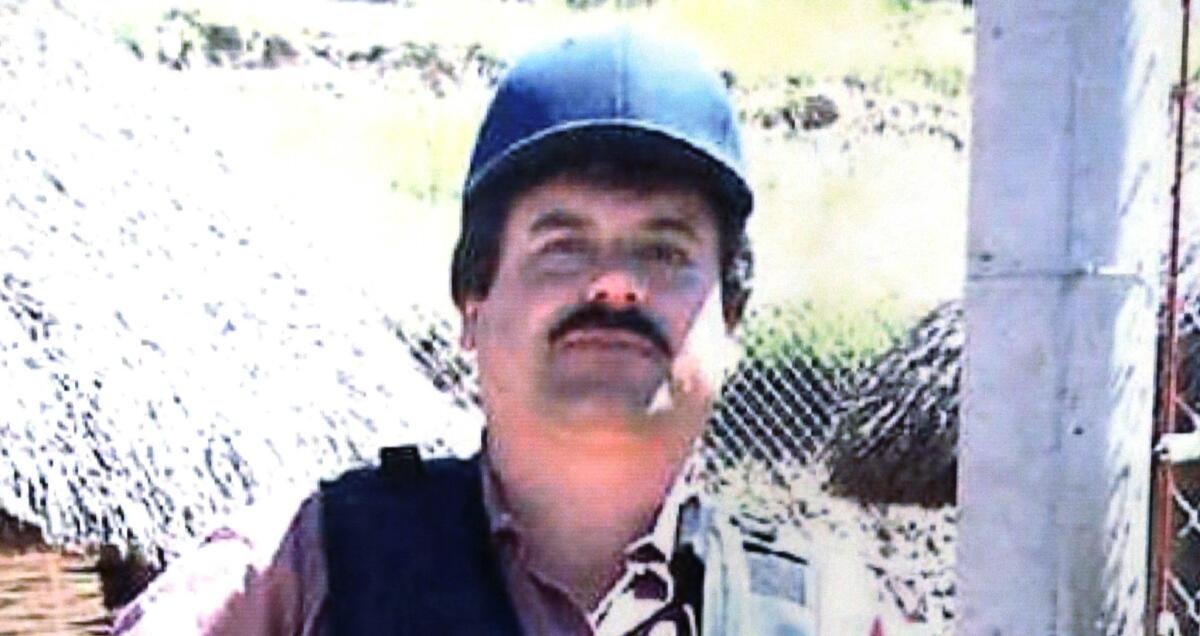
Few criminal figures have captured global attention like El Chapo, whose name became associated with one of the most powerful drug organizations in modern history. His story moved from rural beginnings in Mexico to international headlines, courtroom battles, and a highly publicized prison escape. Beyond the sensational stories, his life reveals complex issues involving organized crime, corruption, drug trafficking networks, and the challenges governments face when confronting powerful criminal organizations.
The rise of El Chapo was not simply the story of one individual. It reflected broader social, economic, and political conditions that allowed illegal networks to expand. Understanding his history requires examining the environment that shaped his career, the structure of the organization he controlled, and the long-term consequences of his actions on communities and international security.
The Early Life and Background of El Chapo
El Chapo, whose real name is Joaquín Archivaldo Guzmán Loera, was born in 1957 in the rural community of La Tuna, Sinaloa, Mexico. He grew up in a poor farming environment where opportunities were limited. Like many regions affected by economic hardship, parts of Sinaloa developed connections with agricultural activities that later became linked to illegal drug production.
During his youth, Guzmán entered the world of drug trafficking through existing criminal networks. His early involvement was connected with marijuana and later cocaine transportation. Over time, he developed knowledge about logistics, supply chains, and international distribution systems, which helped him rise within organized crime structures.
The story of El Chapo demonstrates how criminal organizations often develop in environments where poverty, limited economic opportunities, and weak institutions create conditions that can be exploited. However, his choices and leadership within these organizations contributed to widespread violence and illegal activity.
The Formation and Expansion of the Sinaloa Cartel
The Sinaloa Cartel became one of the most influential criminal organizations in the world. Under the leadership of figures including El Chapo, the organization expanded its operations through international trafficking routes and sophisticated logistical networks.
Unlike traditional criminal groups that relied only on direct control, the Sinaloa Cartel developed complex systems involving transportation, financial operations, and regional partnerships. Its influence extended beyond Mexico, reaching markets in the United States and other countries.
The growth of El Chapo within the cartel reflected his ability to organize operations and build alliances. However, the expansion of the organization also contributed to increased violence, conflicts with rival groups, and serious public safety challenges.
How El Chapo Became an International Figure
The global attention surrounding El Chapo grew because of the scale of his organization and his ability to avoid capture for many years. Media coverage frequently compared him with historical organized crime figures because of his influence and criminal network.
His reputation was shaped by both law enforcement investigations and popular culture. Documentaries, news reports, and fictional portrayals contributed to public fascination with his story, although many experts emphasize the importance of understanding the real-world consequences of organized crime.
The international focus on El Chapo also highlighted the global nature of drug trafficking. Illegal drug markets operate across borders, requiring cooperation between governments, intelligence agencies, and law enforcement organizations.
The Capture and Legal Battles
After years of investigation, El Chapo was captured by Mexican authorities in 2014. However, his arrest did not end his influence immediately. His ability to escape from prison in 2015 through a sophisticated tunnel attracted worldwide attention and raised questions about corruption and security failures.
He was recaptured in 2016 and later extradited to the United States to face federal charges. His trial became one of the most significant organized crime cases in recent history, involving extensive evidence about drug trafficking operations and criminal networks.
The legal proceedings against El Chapo demonstrated the challenges involved in prosecuting leaders of international criminal organizations. Authorities often rely on years of investigations, financial tracking, witness testimony, and cooperation between multiple countries.
The Criminal Network and Its Impact
The organization connected with El Chapo was involved in large-scale drug trafficking operations that affected communities across multiple countries. Drug trafficking organizations create serious social problems, including addiction, violence, corruption, and economic disruption.
Experts studying organized crime emphasize that these networks survive because they operate like businesses, using financial systems, transportation methods, and communication strategies. This makes dismantling them more complicated than simply arresting individual leaders.
The impact of El Chapo and similar criminal figures extends beyond headlines. Communities affected by cartel violence often experience long-term consequences, including insecurity, displacement, and challenges for local institutions.
Media Attention and Public Perception
The public image of El Chapo has been shaped by extensive media coverage. Some portrayals have focused on his ability to evade authorities, while others have examined the violence and damage connected with his organization.
Researchers studying crime and media often discuss how criminal figures can become symbols beyond their actual actions. Stories of escapes, wealth, and power can sometimes create myths that overlook the harm caused by illegal activities.
Understanding El Chapo requires separating entertainment narratives from historical reality. His story is not only about personal ambition but also about the broader effects of organized crime on societies and governments.
The Role of Technology in Modern Law Enforcement

The pursuit of El Chapo demonstrated how modern law enforcement agencies use advanced technology, intelligence sharing, and international cooperation to combat organized crime.
Authorities increasingly rely on digital communication analysis, financial investigations, surveillance technology, and cross-border partnerships. These methods have changed how governments approach complex criminal organizations.
The case also showed that criminal networks continue adapting. As law enforcement improves its methods, organized groups often search for new ways to avoid detection. This ongoing challenge requires constant innovation and cooperation.
Lessons From the Fight Against Organized Crime
The history of El Chapo provides important lessons about the relationship between crime, economics, and government institutions. Experts often argue that addressing organized crime requires more than enforcement alone.
Reducing criminal influence may also involve improving economic opportunities, strengthening institutions, combating corruption, and supporting communities affected by illegal activities.
The case of El Chapo highlights that organized crime is a global issue requiring long-term strategies. Arresting major figures can disrupt networks, but lasting solutions require addressing the conditions that allow such organizations to grow.
The Future of Organized Crime and Global Security
The legacy of El Chapo continues influencing discussions about international crime, drug policy, and security strategies. Governments worldwide continue examining how criminal organizations adapt and how prevention efforts can improve.
Future challenges will likely involve new technologies, changing trafficking methods, and evolving international criminal networks. Artificial intelligence, financial monitoring systems, and improved intelligence cooperation may become increasingly important tools.
The story of El Chapo remains a significant case study because it reveals both the power of organized crime and the difficulty of confronting it. Understanding these issues helps policymakers and communities develop better approaches to security and prevention.
Key Takeaways
- El Chapo became one of the most recognized figures in global organized crime history.
- His rise was connected to larger issues involving poverty, criminal networks, and international drug markets.
- The Sinaloa Cartel developed complex operations across multiple countries.
- His arrests and legal battles highlighted challenges in fighting organized crime.
- Media coverage shaped public perceptions but often simplified a much larger issue.
- Long-term solutions require addressing economic, social, and institutional challenges.
Conclusion
The story of El Chapo represents one of the most significant examples of modern organized crime and its global consequences. While his rise attracted worldwide attention, the broader lessons involve understanding how criminal organizations develop, operate, and affect communities.
Studying this history provides insight into the challenges faced by governments, law enforcement agencies, and societies dealing with international crime. The focus should remain not only on individual figures but also on the systems, conditions, and policies that influence criminal activity.
As the world continues changing, understanding organized crime through research, responsible reporting, and historical analysis remains essential. Exploring these topics helps create greater awareness of the challenges involved in building safer communities.
Frequently Asked Questions
Who is El Chapo?
El Chapo is the nickname of Joaquín Guzmán Loera, a former leader of the Sinaloa Cartel.
Why is El Chapo famous?
He became internationally known because of his leadership role in organized crime and his highly publicized arrests and escapes.
What was the Sinaloa Cartel?
The Sinaloa Cartel is a major criminal organization historically involved in international drug trafficking.
When was El Chapo captured?
He was captured in 2014, escaped in 2015, and was recaptured in 2016.
Where is El Chapo now?
He is serving a life sentence in a high-security United States federal prison.
Why did El Chapo receive global attention?
His influence, criminal network, escapes, and international trial made him a widely reported figure.
What lessons come from the El Chapo case?
The case shows the complexity of organized crime and the need for cooperation, prevention, and strong institutions.
You May Also Read: Snow Rider 3D Classroom 6x