
The podcast industry has transformed from a niche hobby into a global media ecosystem with millions of shows covering news, education, entertainment, business, and personal storytelling. Yet, as the number of podcasts continues to grow, discovering the right show has become increasingly difficult. This challenge created demand for smarter podcast discovery platforms that help listeners, creators, and advertisers navigate the expanding audio landscape.
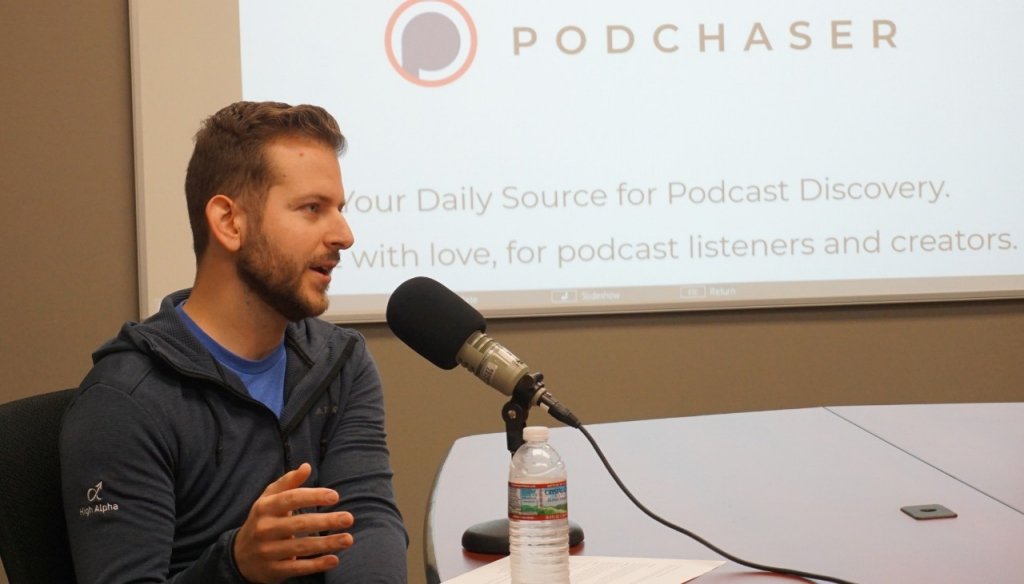
Among the platforms built around this challenge, Podchaser has become recognized as a podcast database and discovery tool designed to organize information about podcasts, episodes, creators, and industry connections. As podcast audiences become more selective and creators compete for attention, platforms that improve visibility and credibility are becoming increasingly important.
The Rise of Podcast Discovery Platforms
The podcast market has experienced remarkable growth over the last decade. According to industry research, millions of podcast episodes are published worldwide every year, creating an enormous amount of content for listeners to explore. While this growth provides more choices, it also creates a discovery problem because audiences often struggle to find high-quality shows that match their interests.
Traditional search engines are not always designed specifically for audio discovery. Podcast listeners often need more detailed information, including episode topics, guest appearances, creator backgrounds, ratings, and recommendations. This gap has encouraged specialized platforms that focus on organizing podcast information in a more structured way.
Podchaser addresses this need by functioning as a searchable podcast database where users can explore shows, episodes, creators, and related information. Instead of simply finding a podcast title, users can discover connections between topics, guests, and conversations.
Understanding How Podchaser Works
A modern podcast database does more than store basic information. It helps users understand the broader context behind audio content. Podcast discovery depends on metadata such as categories, descriptions, episode details, guest information, and audience feedback.
Podchaser provides a system where podcasts can be organized and explored through different discovery methods. Listeners can search for specific topics, browse categories, and learn more about individual shows. This approach helps reduce the difficulty of finding relevant content in an increasingly crowded market.
For creators, podcast databases also provide opportunities to improve visibility. A well-organized profile can help audiences understand the purpose of a show, identify its target audience, and discover previous episodes. This becomes especially valuable for independent podcasters competing against larger media companies.
Why Podcast Metadata Matters for Growth
Many creators focus heavily on recording quality, editing, and promotion, but metadata plays an equally important role in discoverability. Search systems rely on information such as episode titles, descriptions, categories, and keywords to understand what content is about.
A strong podcast profile improves the chances that listeners will find relevant episodes. Details about guests, subjects, and themes help create connections between different pieces of content. In this environment, platforms like Podchaser provide valuable organization that supports better podcast discovery.
The importance of metadata is increasing because podcast audiences now expect the same level of personalization they receive from video and music platforms. Recommendation systems, search tools, and digital assistants all depend on accurate information to deliver useful results.
The Changing Relationship Between Creators and Audiences
Podcasting has always been built around direct relationships between creators and listeners. Unlike traditional media, podcasts allow hosts to develop loyal communities through conversations, storytelling, and specialized content.
However, building an audience has become more competitive. Thousands of new shows enter the market regularly, making it harder for creators to stand out. Discovery platforms provide another channel where audiences can find podcasts based on interests rather than only brand recognition.
Podchaser supports this changing relationship by helping organize information about creators and their work. For listeners, this creates easier access to new voices. For creators, it provides another opportunity to showcase their expertise and build authority.
The Role of Reviews and Audience Engagement
Reviews and audience feedback have become important factors in digital content discovery. Before investing time in a podcast, many listeners look for signals that indicate quality and relevance.
Community-driven platforms allow audiences to share opinions, recommend shows, and highlight valuable episodes. This type of engagement creates a more interactive discovery experience compared with traditional podcast directories.
The value of Podchaser comes from combining podcast information with discovery features that help users make better decisions. As podcast competition increases, audience trust and social proof are likely to become even more important.
How Businesses Use Podcast Data and Insights
Podcasts are no longer only entertainment channels. Many businesses, brands, and professionals use podcasts for marketing, education, networking, and thought leadership.
Companies often analyze podcast audiences to identify advertising opportunities and partnership possibilities. Understanding which shows attract specific communities can help marketers create more effective campaigns.
Platforms like Podchaser provide useful information for organizations interested in the podcast ecosystem. By organizing podcast data, these platforms help businesses better understand creators, audiences, and industry trends.
The Impact of Artificial Intelligence on Podcast Search

Artificial intelligence is changing how people discover digital content. AI-powered systems can analyze large amounts of information, identify patterns, and provide personalized recommendations.
The future of podcast discovery will likely involve smarter search experiences where users can find episodes based on specific questions, interests, and preferences. Instead of manually browsing thousands of shows, listeners may receive highly relevant recommendations automatically.
As AI develops, structured podcast databases will become increasingly valuable. Platforms such as Podchaser can benefit from this trend because organized information allows intelligent systems to understand relationships between podcasts, creators, and topics.
Challenges Facing Podcast Discovery Platforms
Although podcast discovery platforms provide important benefits, they also face challenges. The growing volume of content makes maintaining accurate information difficult. New episodes, changing creators, and evolving categories require constant updates.
Another challenge is competition. Podcast platforms, streaming companies, and technology businesses are all investing in audio discovery. Companies must continue improving user experience, search accuracy, and creator tools to remain valuable.
For Podchaser, long-term success depends on maintaining reliable data and continuing to provide meaningful tools for both listeners and creators. The podcast industry will continue changing, and discovery platforms must adapt alongside audience behavior.
The Future of Podcast Discovery
The future of podcast discovery will likely become more personalized, intelligent, and connected. Listeners may increasingly rely on AI assistants, recommendation systems, and advanced search tools to find relevant audio content.
Creators will also need better tools to understand their audiences and improve visibility. Analytics, audience insights, and professional networking opportunities will become important parts of podcast growth strategies.
As the industry matures, Podchaser represents the type of platform needed to organize the expanding podcast world. The challenge is no longer simply creating podcasts; it is helping the right audiences discover the right conversations.
Key Takeaways
Podcast discovery has become a major challenge because of the rapid growth of digital audio content.
Important points include:
- Podcast databases help organize millions of shows and episodes.
- Metadata plays a major role in search visibility and audience growth.
- Reviews and community engagement influence listener decisions.
- AI technology will make podcast discovery more personalized.
- Creators need better tools to compete in an expanding market.
The podcast industry will continue growing as audiences seek specialized content and creators explore new storytelling formats. Discovery platforms will play an increasingly important role in connecting people with valuable conversations.
Conclusion
The evolution of podcasting has created a new challenge: finding meaningful content among millions of available episodes. Platforms focused on organization, discovery, and audience connections are becoming essential parts of the modern audio ecosystem.
Podchaser highlights how podcast data, community engagement, and better search experiences can improve the way listeners discover shows. As technology advances, the future of podcast discovery will depend on accurate information, intelligent recommendations, and stronger relationships between creators and audiences.
For listeners, exploring podcast discovery tools can open the door to new ideas, perspectives, and communities. For creators, understanding how discovery works can help build stronger audiences and long-term success in the competitive podcast landscape.
Frequently Asked Questions
What is Podchaser?
Ans:Podchaser is a podcast database and discovery platform that helps users explore podcasts, episodes, creators, and related information.
How does Podchaser help podcast listeners?
Ans:It helps listeners discover shows by organizing podcast information, categories, episodes, and creator details.
Can creators use Podchaser for growth?
Ans:Yes, creators can use podcast databases to improve visibility and help audiences discover their shows.
Why is podcast discovery becoming more difficult?
Ans:The number of podcasts has grown rapidly, making it harder for listeners to find relevant and high-quality content.
Does podcast metadata affect discoverability?
Ans:Yes, accurate titles, descriptions, categories, and episode information help search systems understand and recommend podcasts.
What is the future of podcast discovery?
Ans:The future will likely include more AI-powered recommendations, personalized searches, and advanced audience insights.
You May Also Read: Repelishd Explained