

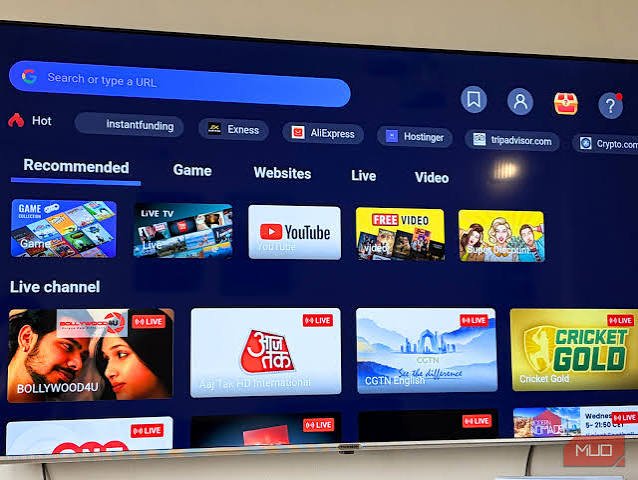
The way people watch television has changed more in the last decade than it did during the previous fifty years. A living room once depended on cable boxes, fixed schedules, and limited channels. Today, millions of viewers expect instant access, personalized recommendations, and entertainment available wherever they go. This shift has created a new generation of streaming solutions, and the tv app has become a major part of that transformation.
From smart TVs and smartphones to tablets and streaming devices, viewers are moving away from traditional broadcasting models toward flexible digital entertainment platforms. As streaming technology continues to improve, the tv app represents more than just another way to watch content; it reflects a global movement toward convenience, personalization, and user-controlled viewing experiences.
The Rise of Digital Television and Streaming Platforms
Television has always adapted to changing technology. The transition from black-and-white broadcasts to color television, satellite services, and cable networks each changed how audiences consumed media. However, the arrival of internet-based streaming created the most significant disruption in television history because it removed many limitations that defined traditional broadcasting.
Instead of waiting for scheduled programs, viewers can now choose what they want to watch and when they want to watch it. This change has encouraged millions of households to adopt streaming services, digital media players, and connected devices. According to industry reports, the global video streaming market continues to expand rapidly as faster internet connections and affordable smart devices become more common.
The popularity of the tv app reflects this broader technological evolution. Modern viewers are no longer satisfied with a television experience controlled entirely by broadcasters. They want flexibility, accessibility, and content discovery tools that match their personal interests. Streaming applications provide these features by combining live television, on-demand libraries, and intelligent recommendation systems in one convenient platform.
What Makes The TV App Different From Traditional Television
Traditional television operates around fixed schedules, channel packages, and geographic limitations. Viewers often need to subscribe to large bundles even when they only watch a small selection of channels. Streaming applications have challenged this model by allowing users to access entertainment through internet connections rather than relying solely on cable or satellite infrastructure.
A major advantage of the tv app is convenience. Users can watch content from different devices without being tied to a single television set. Whether someone is traveling, commuting, or relaxing at home, digital platforms make entertainment more portable. This flexibility has become especially important as smartphones and tablets have become central parts of everyday life.
Another important difference is personalization. Modern streaming platforms analyze viewing behavior to suggest movies, shows, documentaries, and channels that match individual preferences. This creates a more customized entertainment experience compared with traditional television, where every viewer receives the same programming schedule.
How Streaming Technology Changed Viewer Habits
The growth of streaming has changed not only technology but also human behavior. Many viewers now prefer watching complete seasons of shows instead of waiting weekly for new episodes. This trend, commonly known as binge-watching, has influenced how entertainment companies create, market, and distribute content.
Research from media organizations shows that younger audiences increasingly prioritize digital platforms over traditional television subscriptions. They expect entertainment to be available instantly and across multiple devices. These expectations have pushed companies to invest heavily in cloud technology, content delivery networks, and mobile-first experiences.
The tv app fits perfectly into this changing environment because it provides viewers with a centralized place to access entertainment. Instead of switching between multiple devices or searching through different sources, users can manage their viewing experience through a single application. This simplicity is one reason streaming platforms continue to attract global audiences.
Key Features Users Expect From Modern TV Applications
Modern audiences expect more than basic video playback. A successful television application must provide features that improve convenience, quality, and engagement. These features often determine whether users continue using a platform or move to another service.
One important feature is multi-device compatibility. Viewers want applications that work smoothly on smartphones, tablets, smart TVs, Android TV devices, and computers. This flexibility allows people to continue watching their favorite content regardless of location or device.
Another important factor is content organization. A well-designed streaming platform should make it easy to discover movies, television programs, live channels, and recommended content. Search functions, categories, watch history, and personalized suggestions help users spend less time browsing and more time enjoying entertainment.
For many consumers, the tv app has become valuable because it combines these features into one digital experience. The focus has shifted from simply providing channels to creating an intelligent entertainment ecosystem.
The Growing Importance of Smart TVs and Connected Devices
Smart TVs have played a major role in accelerating streaming adoption. Unlike traditional televisions, smart TVs connect directly to the internet and allow users to install applications without requiring additional equipment. Brands such as Samsung, LG, Sony, and other manufacturers have integrated app-based entertainment into modern television systems.
The expansion of connected devices has also created new opportunities for streaming providers. Streaming sticks, Android TV boxes, gaming consoles, and mobile devices allow users to transform ordinary screens into powerful entertainment centers.
This ecosystem has helped the tv app become more accessible to global audiences. Consumers no longer need expensive cable installations or complicated equipment setups. Instead, they can connect their device to the internet and access entertainment services within minutes.
The Role of Content Libraries in Streaming Success
Content remains one of the most important factors behind any entertainment platform’s success. Technology may attract users initially, but quality programming determines whether they remain loyal. Streaming platforms compete by offering diverse libraries that include movies, television series, documentaries, sports, news, and international programming.
The modern viewer also expects variety. Audiences want access to different languages, cultures, and entertainment styles. Global streaming growth has encouraged platforms to expand beyond regional content and invest in international productions.
A strong content library increases the value of the tv app because users are more likely to continue using platforms that consistently provide fresh and engaging entertainment. Companies that understand audience preferences and deliver relevant content have a stronger chance of building long-term relationships with viewers.
Streaming Security, Privacy, and User Trust
As digital entertainment grows, privacy and security have become major concerns. Streaming platforms collect information about viewing preferences, device usage, and user interactions. Responsible companies must protect this data through strong security practices and transparent privacy policies.
Encryption technology, secure payment systems, and regular software updates help protect users from potential risks. These measures are becoming increasingly important as more people rely on digital services for everyday entertainment.
Trust plays a critical role in the success of the tv app and similar platforms. Users want reliable services that respect their personal information while delivering smooth entertainment experiences. Companies that prioritize security often build stronger relationships with their audiences.
The Impact of Artificial Intelligence on Television Experiences
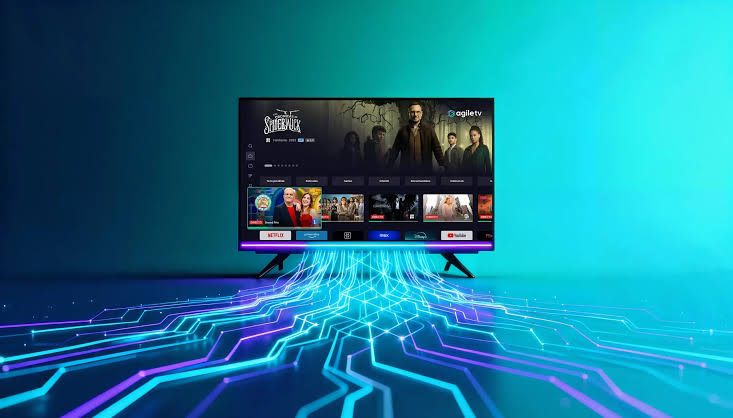
Artificial intelligence is becoming one of the biggest trends shaping the future of entertainment. Streaming companies are using AI to improve recommendations, organize content, optimize video quality, and understand audience behavior.
Recommendation algorithms can analyze viewing patterns and suggest content that users may enjoy. This technology helps solve one of streaming’s biggest challenges: helping viewers discover valuable content among thousands of available options.
In the coming years, AI will likely make the tv app experience even more personalized. Future platforms may provide smarter search systems, voice-controlled navigation, real-time recommendations, and adaptive interfaces designed around individual viewing habits.
The Future of Television: Personalization and Interactive Entertainment
The future of television is moving toward greater personalization and interaction. Viewers are becoming active participants rather than passive audiences. They want control over what they watch, how they watch it, and when they access entertainment.
Emerging technologies such as virtual reality, augmented reality, artificial intelligence, and interactive storytelling could further transform digital entertainment. These innovations may create experiences where viewers influence storylines or explore content in entirely new ways.
As these developments continue, the tv app will likely become more than a viewing platform. It may evolve into a complete entertainment hub combining streaming, social features, gaming, recommendations, and personalized digital experiences.
Practical Tips for Choosing the Right Streaming Application
Selecting the right streaming platform depends on individual needs and viewing habits. Users should consider factors such as device compatibility, content availability, video quality, pricing structure, and security features before making a decision.
A reliable application should provide smooth performance, simple navigation, regular updates, and support for modern devices. Reading user reviews and checking platform features can help consumers choose services that match their expectations.
Before committing to any service, viewers should evaluate whether the tv app provides the type of entertainment they actually watch. A platform with thousands of titles may not be useful if it lacks preferred channels, languages, or categories.
Key Takeaways
- Streaming technology has transformed television from scheduled broadcasting into flexible digital entertainment.
- Modern viewers expect accessibility, personalization, and multi-device support.
- Smart TVs and connected devices have accelerated streaming adoption worldwide.
- Strong content libraries remain essential for long-term platform success.
- Artificial intelligence is shaping the future of personalized entertainment experiences.
- Privacy, security, and user trust are becoming increasingly important in digital media.
Conclusion
The television industry has entered a new era where convenience, personalization, and accessibility define the viewing experience. Traditional broadcasting created the foundation of entertainment, but streaming technology has introduced a more flexible model designed around modern lifestyles.
The tv app represents this transformation by bringing entertainment closer to users through connected devices, intelligent features, and personalized experiences. As technology continues to advance, viewers can expect even smarter platforms, richer content choices, and more interactive ways to enjoy media.
The future of television will not simply be about watching programs; it will be about creating personalized entertainment experiences that fit individual preferences. Explore the latest streaming trends, compare available platforms, and discover how digital television technology can improve the way you enjoy entertainment.
FAQs
What is the tv app?
The tv app is a digital application that allows users to access television content, streaming services, live channels, or on-demand entertainment through internet-connected devices.
How does a TV app work?
A TV app connects users with digital content through internet streaming technology, allowing videos and channels to be delivered directly to compatible devices.
Can TV apps work on smart TVs?
Yes, many TV apps are designed for smart televisions and connected devices, providing direct access to entertainment without traditional cable equipment.
Are TV apps replacing cable television?
TV apps are changing how people consume entertainment, and many viewers are moving from traditional cable subscriptions toward flexible streaming options.
What features should a good TV app have?
A quality TV app should offer easy navigation, device compatibility, reliable streaming, content variety, personalization, and strong security features.
Will AI improve future TV apps?
Yes, artificial intelligence is expected to improve recommendations, search functions, and personalized entertainment experiences in future streaming platforms.
You May Also Read: How Much Is LinkedIn Learning