

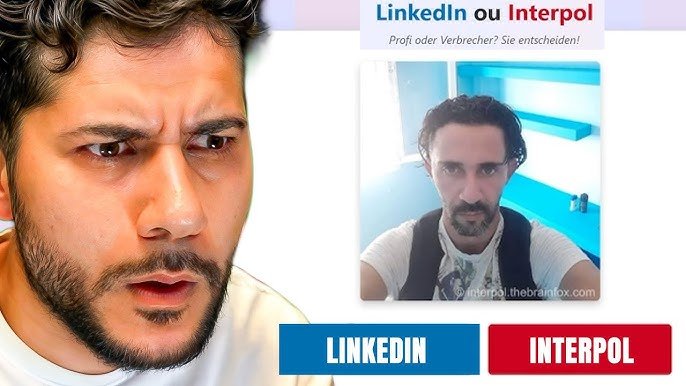
In today’s connected world, identity, security, and professional networks influence how people interact across borders. Two names that often appear in completely different conversations are LinkedIn or Interpol. One represents the world’s largest professional networking ecosystem, while the other serves as an international organization focused on police cooperation and global crime prevention. Although they operate in separate fields, both have become powerful examples of how technology and international collaboration shape modern society.
Understanding the difference between LinkedIn or Interpol is important because these platforms and organizations affect millions of people in unique ways. One helps individuals build careers, discover opportunities, and connect professionally. The other supports law enforcement agencies by sharing information and coordinating efforts against international crime. Their influence extends far beyond their original purposes.
The Origins and Evolution of LinkedIn and Interpol
The history behind LinkedIn or Interpol begins with two very different missions. LinkedIn was founded in 2003 as a digital platform designed to help professionals create online identities and build career connections. Over time, it transformed from a simple networking website into a global professional ecosystem used by job seekers, recruiters, businesses, and industry leaders.
Interpol, officially known as the International Criminal Police Organization, has a much longer history. Established in 1923, it was created to improve cooperation between police forces across different countries. The organization developed systems for sharing information, coordinating investigations, and helping member countries address crimes that cross national boundaries.
The contrast between these two organizations highlights how different forms of global connection have developed. LinkedIn connects people through careers, skills, and business relationships, while Interpol connects law enforcement agencies through security cooperation.
Both organizations demonstrate the importance of information exchange. In the modern era, access to accurate information has become one of the most valuable resources for individuals, companies, and governments.
What Is LinkedIn and How Does It Work?
LinkedIn is a professional networking platform where users create profiles that represent their education, skills, employment history, achievements, and professional interests. Unlike traditional social media platforms focused mainly on personal communication, LinkedIn is designed around career development and business relationships.
Users can connect with colleagues, follow companies, search for jobs, publish professional content, and participate in industry discussions. Recruiters also use the platform to identify candidates and evaluate professional backgrounds.
The growth of LinkedIn reflects broader changes in the employment market. Digital recruitment has become a standard practice, and many organizations now rely on online professional profiles during hiring processes. According to industry reports, millions of recruiters and companies use professional networking platforms to discover talent.
When comparing LinkedIn or Interpol, LinkedIn represents voluntary identity sharing. Users choose what information to display, allowing them to build a professional reputation and communicate their expertise.
The platform has also expanded into education and professional development. Through learning resources, career advice, and industry content, LinkedIn has become more than a job search tool. It now functions as a digital career environment.
The Purpose and Global Role of Interpol
Interpol serves a completely different purpose from professional networking platforms. Its main goal is to support international police cooperation and help member countries fight crimes that extend beyond national borders.
The organization does not operate as a global police force. Instead, it provides communication networks, databases, analytical support, and coordination assistance to law enforcement agencies worldwide.
Interpol focuses on areas such as organized crime, cybercrime, terrorism, human trafficking, financial crimes, and missing persons investigations. Through secure information systems, member countries can exchange important data to support investigations.
Unlike LinkedIn or Interpol, where users create personal profiles, Interpol manages official law enforcement information. Its databases contain information related to international criminal activities, stolen documents, wanted individuals, and other security concerns.
The organization’s work has become increasingly important as criminals use technology and international networks to operate across borders. Global cooperation has become essential because many modern crimes cannot be addressed by one country alone.
How Technology Has Changed Both Organizations
Technology has transformed both LinkedIn and Interpol, although their applications are very different. LinkedIn uses digital technology to improve professional communication, recruitment, and career development.
Artificial intelligence now plays a growing role in professional platforms. LinkedIn uses technology to recommend job opportunities, match candidates with employers, and personalize content. These tools help users navigate a large professional marketplace more efficiently.
Interpol also depends heavily on technology. Modern crime investigations require advanced databases, secure communication systems, and digital analysis tools. Cybercrime, online fraud, and international financial crimes have increased the need for sophisticated technological solutions.
The relationship between technology and information management explains why discussions about LinkedIn or Interpol often appear in conversations about digital identity and security.
While LinkedIn focuses on helping individuals present themselves online, Interpol focuses on protecting societies through controlled information exchange. Both show how digital systems can influence human activity on a global scale.
Digital Identity: Professional Profiles vs Security Information
Digital identity has become one of the most important topics of the modern internet. People now maintain online representations of themselves through professional profiles, social accounts, government records, and other digital systems.
LinkedIn provides a user-controlled digital identity. Individuals decide how to present their experience, skills, and career goals. A strong profile can improve professional visibility and create new opportunities.
Interpol deals with a completely different type of identity management. Its systems support law enforcement investigations and international security operations. Information is handled through official channels rather than public profiles.
The difference between LinkedIn or Interpol shows how digital identity can have both personal and institutional purposes. One supports professional growth, while the other supports public safety.
As digital transformation continues, managing identity responsibly will become increasingly important. Individuals need to understand how their information is shared, while organizations must protect sensitive data.
Privacy, Security, and Trust in Digital Systems
Privacy has become a major concern for both professional platforms and international organizations. Users want control over their personal information, while institutions must maintain strong security standards.
LinkedIn users share professional details to gain visibility. However, they must consider what information they make public and how it may affect their careers. Protecting accounts, verifying information, and maintaining professional accuracy are essential practices.
Interpol operates under different privacy requirements because it handles sensitive law enforcement information. Security systems must prevent unauthorized access while allowing legitimate cooperation between member countries.
The comparison of LinkedIn or Interpol highlights an important digital lesson: information has value, but it also requires responsibility.
Trust is the foundation of any information system. Whether people are building careers or protecting communities, reliable data management determines effectiveness.
Career Opportunities and Professional Growth Through LinkedIn
LinkedIn has changed how people approach career development. Traditional networking once depended heavily on personal meetings, industry events, and physical resumes. Today, professionals can connect with employers and experts anywhere in the world.
The platform supports job searching, personal branding, recruitment, and industry learning. Professionals can showcase achievements, share knowledge, and develop relationships that may lead to future opportunities.
Remote work trends have further increased the importance of digital professional networks. Companies increasingly search for talent beyond geographical boundaries, making online visibility more valuable.
For individuals, maintaining an updated profile, engaging with professional communities, and sharing expertise can improve career prospects.
When examining LinkedIn or Interpol, LinkedIn’s impact is primarily focused on economic opportunity and professional communication rather than security operations.
Interpol’s Role in Modern Global Security Challenges
Global security challenges have become more complex due to technology, international movement, and organized criminal networks. Interpol helps countries cooperate when crimes involve multiple jurisdictions.
Cybercrime is one of the fastest-growing challenges facing law enforcement agencies. Criminal groups can operate digitally from different locations, making international cooperation essential.
Interpol also supports efforts against trafficking networks, stolen property, and identity-related crimes. By sharing information between countries, the organization helps authorities respond more effectively.
The discussion around LinkedIn or Interpol demonstrates two different approaches to global connectivity. One creates professional networks, while the other creates security partnerships.
As international challenges continue evolving, organizations like Interpol will need to adapt through stronger technology, improved cooperation, and advanced intelligence systems.
Future Trends: The Growing Importance of Networks and Information
The future of both LinkedIn and Interpol will be shaped by artificial intelligence, cybersecurity, and global digital transformation. Information networks will continue becoming more influential in personal and institutional decisions.
LinkedIn is expected to expand its role in skills development, recruitment automation, and professional education. AI-driven recommendations may help users discover career paths and learning opportunities more effectively.
Interpol will likely continue investing in cybersecurity, digital investigation tools, and international cooperation systems. As crimes become more technologically advanced, secure information sharing will remain essential.
The comparison of LinkedIn or Interpol reveals a broader trend: modern society depends on trusted networks. Whether connecting professionals or protecting communities, information systems influence how the world operates.
Understanding these organizations helps people recognize the different purposes of digital platforms and international institutions.
Key Takeaways
- LinkedIn is a professional networking platform focused on careers, recruitment, and business connections.
- Interpol is an international organization that supports police cooperation and global crime prevention.
- LinkedIn allows individuals to build digital professional identities.
- Interpol manages secure information systems for law enforcement cooperation.
- Technology plays a major role in improving both organizations.
- Privacy and responsible data management are important in both environments.
- Global networks will continue shaping professional and security landscapes.
Conclusion
The comparison of LinkedIn or Interpol reveals two very different but equally important examples of global connectivity. LinkedIn helps individuals build careers, share expertise, and discover professional opportunities. Interpol supports international cooperation by helping law enforcement agencies address complex security challenges.
Although their missions are different, both organizations demonstrate the power of information networks in the modern world. One focuses on professional advancement, while the other focuses on public safety and international collaboration.
As technology continues transforming society, understanding how digital platforms and global organizations operate will become increasingly valuable. Whether you are developing your career or learning about international security, exploring these systems provides insight into how information shapes our connected world.
Continue exploring topics related to digital identity, professional growth, cybersecurity, and global cooperation to better understand the networks influencing modern life.
Frequently Asked Questions
What is the main difference between LinkedIn and Interpol?
LinkedIn is a professional networking platform, while Interpol is an international organization that supports law enforcement cooperation.
Is LinkedIn connected to Interpol?
No, LinkedIn and Interpol are separate organizations with completely different purposes and operations.
What is LinkedIn mainly used for?
LinkedIn is mainly used for professional networking, job searching, recruitment, and career development.
What does Interpol do?
Interpol helps police organizations across countries cooperate by sharing information and supporting international investigations.
Can LinkedIn be used for background checks?
LinkedIn can provide professional information, but official background checks require authorized verification processes.
Does Interpol arrest people directly?
No, Interpol does not directly arrest individuals; it assists member countries through information sharing and coordination.
Why are digital networks important today?
Digital networks help people collaborate, exchange information, find opportunities, and address global challenges more effectively.
You May Also Read: Kofi