

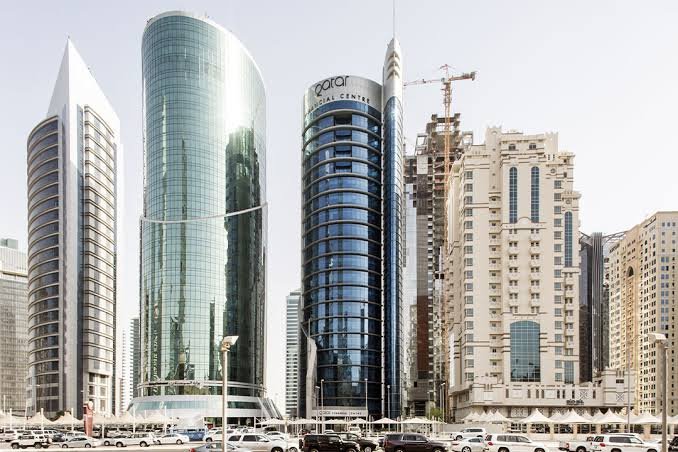
The global economy is entering a period of historic transformation. From Wall Street to Singapore, London, and emerging financial hubs across Asia and the Middle East, the places where money, technology, and innovation meet are becoming more influential than ever. Financial centers are no longer simply locations where banks operate; they have evolved into complex ecosystems connecting investment, fintech, global trade, and economic development.
As businesses become increasingly digital and interconnected, financial centers are adapting to new challenges and opportunities. Artificial intelligence, sustainable finance, blockchain technology, and changing investment patterns are reshaping how global markets function. The competition among cities and regions to become leading financial destinations has intensified, creating a new era of economic influence.
The Evolution of Financial Centers in the Modern Economy
For centuries, financial hubs have played a critical role in shaping economic growth. Historic locations such as London and New York became powerful because they combined strong banking systems, international trade networks, skilled professionals, and political influence. These foundations helped establish them as major drivers of global commerce.
However, the definition of modern financial centers has expanded significantly. Today, successful hubs are not judged only by the number of banks or investment firms they host. They are also evaluated by their technology infrastructure, regulatory environment, talent availability, innovation capacity, and ability to attract international businesses.
The rise of digital finance has created opportunities for new players. Cities that were once considered secondary markets are investing heavily in financial technology, business infrastructure, and regulatory improvements to compete with established global leaders.
How Financial Centers Influence Global Business Decisions
The importance of financial centers comes from their ability to connect capital with opportunity. These locations bring together investors, corporations, governments, startups, and financial experts, creating networks that support economic growth.
Large companies often choose major financial hubs for headquarters, regional offices, and investment activities because these locations provide access to skilled workers, international markets, and financial services. Decisions made in these hubs can influence industries worldwide, from technology and manufacturing to healthcare and energy.
Beyond traditional banking, modern financial ecosystems support venture capital, private equity, insurance, asset management, and emerging fintech companies. This diversity allows leading hubs to remain competitive even during periods of economic uncertainty.
Technology Is Reshaping the Future of Finance
Technology has become one of the strongest forces changing the financial industry. Artificial intelligence, cloud computing, automation, and data analytics are transforming how financial institutions operate and serve customers.
Modern financial centers are investing heavily in digital infrastructure because technology has become a major factor in attracting businesses. Companies now look for locations that offer advanced payment systems, cybersecurity capabilities, digital banking solutions, and innovation-friendly regulations.
Fintech startups have also changed the competitive landscape. Instead of traditional banks controlling every aspect of financial services, technology companies are creating new solutions for payments, lending, investment management, and financial accessibility.
The Growing Competition Between Global Financial Hubs
Competition among international hubs has increased as countries recognize the economic value of financial activity. Cities around the world are developing strategies to attract investors, entrepreneurs, and multinational companies.
Established markets continue to maintain strong positions because of their long histories, legal systems, and global connections. However, emerging regions are gaining attention by offering modern infrastructure, business-friendly policies, and specialized financial services.
The growth of Asian and Middle Eastern markets demonstrates this shift. Several cities are positioning themselves as international business destinations by combining financial expertise with technology innovation and economic diversification strategies.
The Role of Sustainability in Financial Development
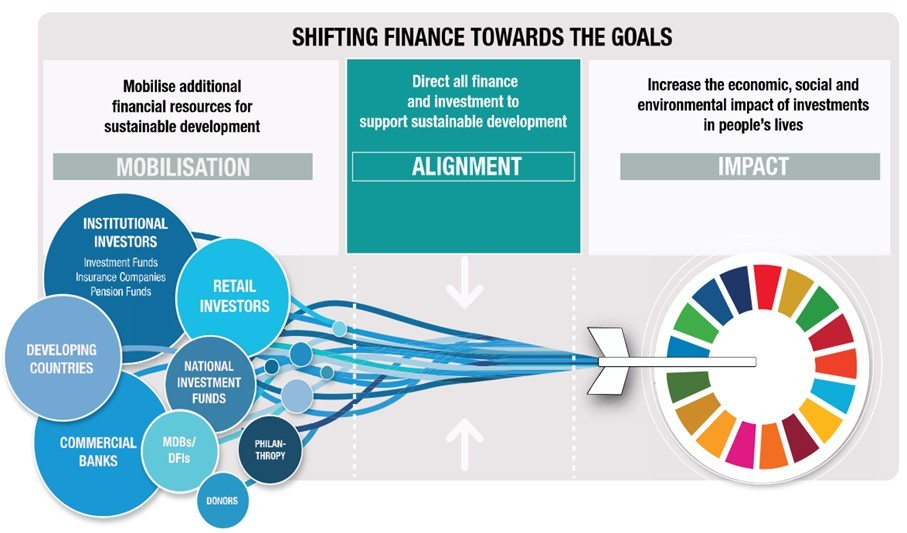
Sustainability has become a major factor influencing the future of finance. Investors and companies are increasingly considering environmental, social, and governance factors when making decisions.
Many financial centers are responding by developing green finance initiatives, sustainable investment products, and policies designed to support responsible economic growth. This transformation reflects a broader change in how financial success is measured.
The future of finance will likely depend on balancing profitability with environmental responsibility. Locations that successfully support sustainable business practices may gain stronger positions in global markets.
Artificial Intelligence and Data-Driven Financial Growth
Artificial intelligence is changing how financial organizations analyze information and manage risk. Machine learning systems can process large amounts of data, identify market patterns, and improve decision-making processes.
For financial centers, AI adoption creates both opportunities and challenges. Hubs that successfully integrate advanced technologies can improve efficiency, attract innovative companies, and strengthen their competitive position.
However, technology also requires responsible management. Financial institutions must address concerns related to cybersecurity, privacy, and ethical use of automated systems. The most successful markets will combine innovation with strong governance.
Emerging Markets and New Financial Opportunities
Economic growth in emerging regions is creating new opportunities for financial development. Countries investing in infrastructure, education, technology, and regulatory improvements are becoming increasingly attractive to global investors.
These developing ecosystems demonstrate that financial influence is no longer limited to traditional Western markets. New economic regions are creating specialized hubs focused on areas such as digital finance, Islamic finance, renewable energy investment, and technology-driven business models.
The expansion of global trade and digital connectivity will continue creating opportunities for new financial destinations. Future leaders may emerge from regions that successfully combine innovation with economic stability.
The Importance of Talent and Business Networks
Human capital remains one of the most important advantages of successful financial ecosystems. Skilled professionals in areas such as economics, technology, law, investment management, and data science help drive innovation and growth.
Leading financial centers attract international talent because they provide career opportunities, advanced industries, and connections with global companies. A strong workforce helps create an environment where businesses can expand and compete internationally.
Education systems and professional development programs also play an important role. Regions that invest in financial education and technology skills are better positioned to support future economic growth.
How Digital Assets Are Changing Financial Markets
Digital assets have introduced another major transformation in the financial industry. Cryptocurrencies, blockchain networks, and tokenized assets are influencing discussions about the future of money and investment.
Many financial hubs are exploring ways to regulate and integrate digital assets while maintaining market stability. Some regions are creating frameworks that encourage innovation while protecting consumers and investors.
The development of digital finance shows how quickly the industry continues to evolve. Traditional institutions and emerging technology companies are increasingly working together to create new financial solutions.
Challenges Facing Global Financial Ecosystems
Despite their importance, financial hubs face significant challenges. Economic uncertainty, geopolitical tensions, cybersecurity threats, and regulatory changes can affect their growth and stability.
Successful financial centers must continuously adapt to changing conditions. They need strong institutions, transparent regulations, and the ability to respond quickly to technological and economic shifts.
Competition also creates pressure. Cities must constantly improve infrastructure, attract investment, and maintain trust among international businesses. Those that fail to evolve may lose influence to more adaptable competitors.
Future Trends Shaping Global Finance
The future of global finance will be shaped by several major trends, including artificial intelligence, sustainable investing, digital payments, and decentralized technologies. These developments will influence how companies, investors, and governments interact with financial systems.
Future financial centers will likely become more technology-driven and globally connected. The strongest hubs will not only manage money but also become innovation platforms where new financial solutions are created.
As economic systems continue changing, businesses will increasingly depend on locations that provide stability, expertise, and access to emerging opportunities.
Practical Lessons for Businesses and Investors
Companies looking to expand internationally should carefully evaluate financial ecosystems before making decisions. Factors such as regulatory conditions, market access, technology infrastructure, and talent availability can significantly influence success.
Investors should also consider broader economic trends rather than focusing only on traditional indicators. Understanding how different regions develop their financial capabilities can reveal future opportunities.
The growth of financial centers provides valuable lessons about adaptability, innovation, and strategic planning. Businesses that understand these changes can better position themselves in the evolving global economy.
Conclusion
The world of finance is undergoing a major transformation, and financial centers remain at the heart of this change. These hubs are evolving from traditional banking locations into advanced ecosystems where technology, investment, innovation, and global business intersect.
As artificial intelligence, sustainability, and digital finance continue reshaping markets, the strongest financial hubs will be those that combine innovation with trust and stability. The future of global economic growth will depend on locations that can adapt quickly and create opportunities for businesses worldwide.
Understanding the development of financial centers can help companies, investors, and professionals recognize where future opportunities may emerge. Staying informed about global financial trends will remain essential for anyone seeking success in an increasingly connected economy.
Frequently Asked Questions
What are financial centers?
Financial centers are locations where banks, investors, companies, and financial services operate and connect global markets.
Why are financial centers important?
They support investment, economic growth, international trade, and business development.
How is technology changing finance?
Technology improves payments, data analysis, automation, and digital financial services.
Which factors make a financial center successful?
Strong regulations, skilled talent, infrastructure, and innovation help financial hubs grow.
Will new financial centers emerge in the future?
Yes, emerging markets are developing new hubs through technology and economic investment.
You May Also Read: Businessabc Indexes